
Signs You Need a Roof Replacement Now: Essential Guide for Brisbane Homeowners
A roof replacement means removing the existing roof covering and installing a new system that restores weatherproofing, structural integrity, and energy performance. Timing that replacement correctly can prevent expensive interior damage. This guide helps Brisbane homeowners spot the signs you need a roof replacement, explains structural and interior indicators, and maps practical next steps from self-checks to professional inspection. You will learn how to identify visible exterior problems like curled or missing shingles and granule loss, recognize structural issues such as sagging or damaged flashing, and use attic and energy-performance clues to prioritize action. The article also compares material lifespans, explains how Brisbane’s climate accelerates wear, and provides a decision checklist for repair versus restoration versus full replacement. Read on for step-by-step inspection tips, checklists to document damage for insurance, and the exact evidence professionals look for when recommending replacement.
What Are the Most Common Visible Signs You Need a Roof Replacement?
Visible exterior signs are the first, and often most telling, indicators that a roof may need replacement; these signs result from material breakdown, UV exposure, moisture intrusion, or long-term mechanical stress. Spotting them early reduces the risk of interior damage, and a quick visual triage helps prioritize urgent action versus routine maintenance. Below is a concise, numbered list of the top exterior signs homeowners should watch for; each item is actionable and suitable for featured-snippet formatting.
- Curled, cracked, or cupped shingles indicate material failure and loss of water-shedding ability.
- Missing shingles or tiles expose underlayment and decking to weather and accelerate rot.
- Granules in gutters or downpipes mean protective shingle surfacing is degrading.
- Widespread moss, algae, or dark streaks suggest moisture retention and organic growth.
- Rusting or damaged metal flashings and ridge caps point to chronic leak sources.
- Visible sagging or uneven roofline signals possible structural or decking failure.
Each sign above deserves photographic documentation and, if multiple signs appear together, a higher urgency for inspection. Understanding the causes behind these signs makes it easier to decide whether a repair will suffice or a full roof replacement is warranted.
How Do Curled, Cracked, and Missing Roof Shingles Indicate Roof Damage?
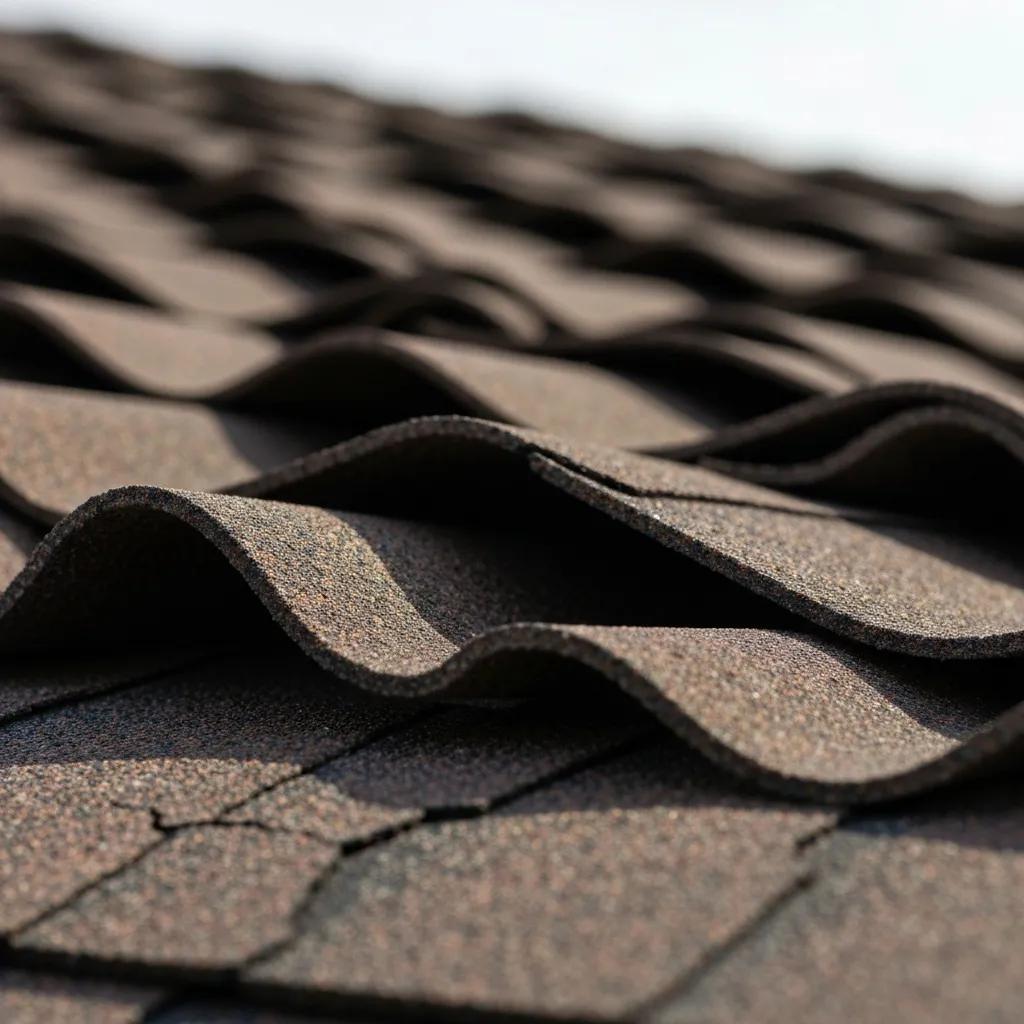
Curled, cracked, and missing shingles are hyponyms of shingle failure that directly reduce the roof’s ability to shed water, and they often occur from prolonged UV exposure, thermal cycling, and mechanical storm damage. When shingle edges lift or cup, wind can pry them off and rainwater can penetrate seams, increasing the chance of leaks and underlayment failure. Missing shingles expose the underlayment and decking to direct rainfall, which can lead to rot or mould in timber substrates and interior water stains. If curling or loss is widespread across multiple roof planes, replacement is typically more cost-effective than piecemeal repairs because the overall protective layer has failed.
Why Are Granules in Your Gutters a Warning Sign of Roof Wear?
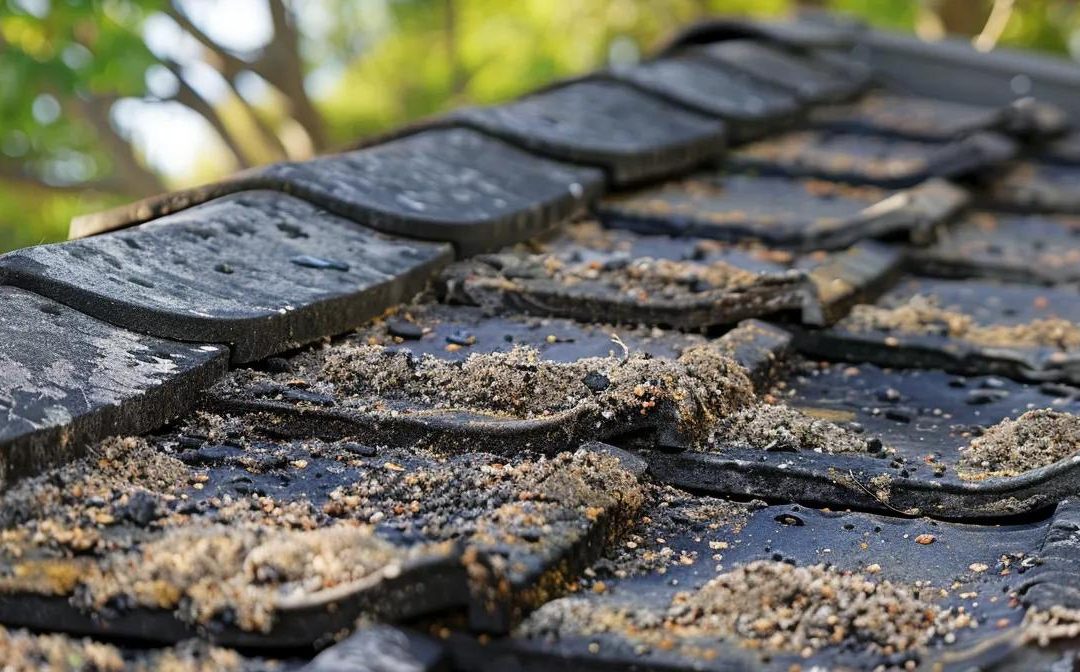
Shingle granules are the mineral surface layer that protects asphalt shingles from UV degradation and mechanical wear; heavy granule loss is a measurable symptom of advanced shingle breakdown. Inspect gutters and downpipes after storms and during seasonal cleaning: a light dusting is normal, but thick mats or heavy, sand-like accumulations indicate that shingles are shedding their protective surface. Granule loss reduces UV resistance and shortens the remaining service life, and large-scale loss often precedes cracking and perforation of the shingle mat. When gutters show substantial granule deposits across multiple roof runs, schedule a professional assessment because the roof’s remaining lifespan has likely dropped significantly.
How Can Structural Issues Like Sagging Roof Signs Signal Replacement Needs?
Structural issues reflect deeper problems in the roof system and often require immediate professional evaluation because they can compromise the home’s safety and load-bearing elements. Sagging rooflines, deflected rafters, or soft spots on decking reveal underlying rot, water damage, or truss failure that a simple patch cannot fix. When structural symptoms appear, they affect not only the roof covering but the timber framing, insulation, and sometimes interior finishes, which increases replacement scope and cost. Understanding the structural implications helps homeowners prioritize inspections, secure the property if needed, and collect evidence for insurance claims before repairs or replacement are scheduled.
What Does a Sagging or Uneven Roofline Mean for Your Home’s Safety?
A sagging or uneven roofline usually signals compromised roof framing — such as rot in rafters, failed trusses, or water-damaged decking — and it requires prompt structural assessment to prevent collapse or progressive deterioration. From the ground, look for dips along ridge lines or valleys and check attic joists for deflection or daylight gaps; these are meronyms of the broader framing system and pinpoint where failure originates. Immediate precautions include reducing attic storage loads and avoiding roof access until professionals inspect the framing, because stepped-up loads during re-roofing can worsen sag. A structural finding often leads professionals to recommend partial or full roof replacement combined with framing repair to restore safe load paths and long-term performance.
How Does Damaged Flashing and Roof Valleys Contribute to Roof Failure?
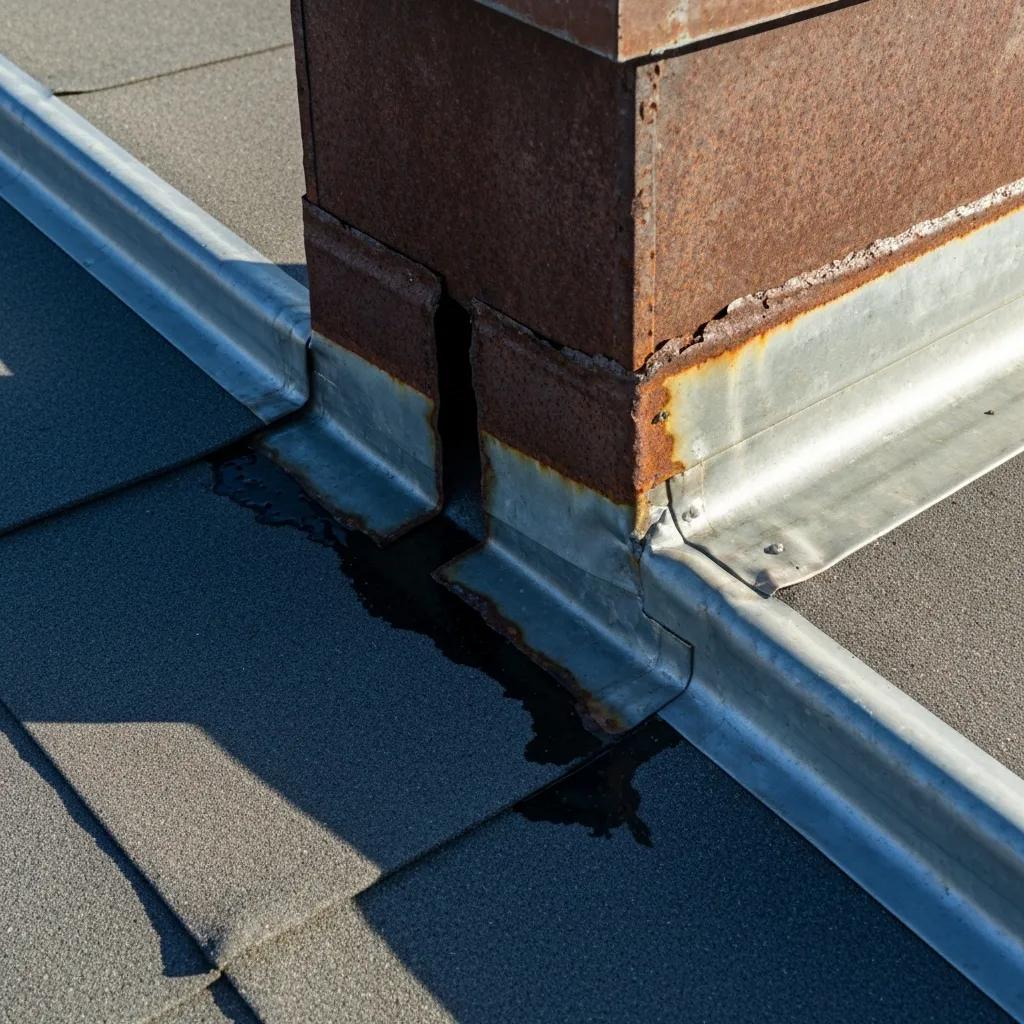
Flashing and valleys are critical components that direct water away from vulnerable junctions; when they corrode, detach, or were initially installed incorrectly, they become chronic leak points that undermine the entire roof system. Damaged flashing at chimneys, skylights, or roof-to-wall junctions allows repeated water entry, which rots timber decking and insulation and can create mould and interior staining. Valleys channel concentrated runoff and are subject to accelerated wear; metal valleys that have denting, separations, or debris build-up frequently need full-component replacement. If flashing and valley failures are extensive or reveal hidden decking rot, a targeted repair may not be sufficient and full replacement should be considered to ensure a watertight, long-term solution.
What Interior and Performance Indicators Show Your Roof Needs Replacing?
Interior signs and performance metrics often reveal roof failure that isn’t obvious from the ground; these indicators include attic daylight, water stains, mould, damp insulation, and rising energy bills due to lost thermal control. An attic inspection is a meronymic check of the roof system — it reveals the condition of underlayment, insulation, and structural members and helps correlate external damage with internal consequences. Tracking indoor humidity, spotting mould growth, and noting sudden increases in cooling costs in Brisbane’s warm climate are important performance-based clues that the roof or attic ventilation may be compromised. Safely documenting these interior signs supports repair vs replacement decisions and provides essential evidence for professional reports and insurance documentation.
How Does Daylight Through the Attic Reveal Roof Leaks?
Seeing daylight through the attic is a clear and direct indicator of penetrations or missing elements in the roof plane, and it typically corresponds to holes, cracked tiles, or failed flashing that allow water entry. During a careful attic inspection, check for visible light at seams, around nails, and near valleys; photograph each daylight spot and note its position relative to external shingles or tiles. Daylight accompanied by water stains or damp insulation often means leaks that have progressed beyond surface damage and may have compromised decking, making replacement more likely than patch repairs. If you detect daylight in attic spaces, arrange a professional assessment quickly because water entry accelerates structural decay and occupant health risks from mould.
- Inspect during daylight and identify all interior light spots from the attic.
- Photograph and label each spot with its attic location and corresponding outside roof area.
- Check surrounding insulation and timber for dampness, staining, or rot near each daylight point.
Documenting daylight and related damage creates a clear record for contractors and insurers, and it sets the stage for the next step: a formal professional inspection.
Can High Energy Bills Be a Sign of Roof Insulation Problems?
A sudden or sustained rise in energy bills can indicate compromised roof insulation or poor ventilation, especially in Brisbane where cooling demand dominates seasonal energy use. Insulation that is compacted, damp, or missing reduces thermal resistance and allows heat to transfer into living spaces, raising cooling loads; inadequate ventilation compounds the problem by trapping heat in the roof space. Simple diagnostic steps include checking insulation depth and condition in the attic, looking for hot spots on the ceiling, and monitoring thermostat run-times; these checks are quick yet informative. When insulation issues are severe and tied to persistent roof moisture or degraded underlayment, combining roof replacement with upgraded insulation and improved ventilation yields the best long-term energy ROI.
How Does Roof Age and Repair Frequency Affect Replacement Decisions?
Roof age and the frequency of past repairs are key factors in deciding whether to continue patching problems or move to replacement, because older roofs with repeated repairs often reach a point of diminishing returns. Material lifespan is a primary hypernym to consider; different roofing materials age at different rates under Brisbane’s UV, humidity, and storm exposure. Frequent repairs that repeatedly address the same areas indicate underlying substrate or design issues and often signal that replacement will be more cost-effective over time. A structured comparison of material lifespans and typical failure modes helps homeowners weigh repair costs, remaining service life, and resale implications to choose the most rational outcome.
What Is the Typical Lifespan of Brisbane Roofs by Material Type?
Average lifespans vary by material: asphalt or composite shingles typically last 15–25 years, terracotta or concrete tiles 40–60 years, and quality metal roofing such as Colorbond can last 40–70 years; in Brisbane, UV exposure, humidity, and severe storms tend to reduce these averages. When evaluating a roof’s age, adjust expectations downward for homes exposed to direct sun, salt-laden coastal air, or frequent storm events, because these factors accelerate granule loss, sealant failure, and corrosion. Age alone isn’t decisive—repair history, visible condition, and structural soundness together determine whether replacement is necessary. Use the table below to compare materials and interpret what each lifespan means for replacement timing.
When Are Frequent Repairs No Longer Worth the Cost?
Frequent repairs become uneconomical when repair costs approach a significant fraction of a full replacement, when leaks recur in multiple areas, or when structural or underlayment damage is discovered beneath recurring problem spots. A practical rule of thumb is to consider replacement when annual repair costs exceed 10–15% of replacement cost or when more than 25–30% of the roof area requires patching; these thresholds vary by local labour and material rates. Hidden damage discovered during repeated repairs—such as rotted decking or compromised insulation—also tips the balance toward replacement because repairs may be cosmetic without addressing root causes. Obtain at least two independent professional quotes and written reports to compare repair proposals against a comprehensive replacement offer.
How Do Local Brisbane Weather Conditions Influence Roof Replacement Timing?
Brisbane’s climate — hot sun, high humidity, and periodic intense storms — accelerates many roof failure modes and should shape inspection schedules and replacement planning. UV radiation degrades sealants and shingles, humidity fosters mould and timber rot in underlay and decking, and storms cause mechanical damage such as lifted shingles, dented metal roofing, and displaced flashing. After severe weather, prioritize a visual roof check and document damage thoroughly to support insurance claims and to help contractors scope urgent stabilizing work. Understanding seasonal patterns also allows homeowners to schedule replacements in drier, lower-risk months, reducing delays and cost escalation.
What Storm Damage Signs Should Brisbane Homeowners Watch For?
After storms, inspect for missing or lifted tiles and shingles, dents or punctures in metal roofing, displaced or torn flashing, and debris lodged in valleys that can accelerate wear and leaks. Photograph each damaged area from multiple angles and collect close-ups of nail pops, cracks, and separations; this evidence is crucial for insurance and contractor assessments. Short-term protective measures include covering holes with tarps or temporary flashing and clearing debris while avoiding unsafe roof access. If storm damage is widespread across roof planes, schedule an urgent professional inspection, because extensive impact damage often prompts partial or full replacement rather than isolated repairs.
- Missing or lifted tiles allow immediate water entry and should be documented and temporarily covered.
- Dented metal sheets compromise water shedding and often indicate impact beyond surface level.
- Detached flashing or ridge caps create chronic leak points and require fast evaluation.
How Does Brisbane’s Climate Shorten Roof Lifespan?
Brisbane’s combination of intense UV exposure, high humidity, and periodic severe storms accelerates common failure mechanisms: UV degrades shingle binders and sealants, humidity promotes mould and timber rot in underlay and framing, and storms cause mechanical displacement and impact damage. Salt exposure in coastal suburbs can further corrode metal flashings and fixings, reducing expected lifespan. These climatic stressors increase the frequency of repairs and lower the practical service life of roofing materials relative to temperate inland regions. Proactive maintenance, timely inspections after storms, and choosing materials rated for local conditions mitigate climate impacts and extend overall roof longevity.
What Steps Should You Take After Identifying Roof Replacement Signs?
After noticing signs that suggest replacement, take a methodical, documented approach: prioritize safety, photograph and map damage, implement temporary protections, schedule a professional inspection, and collect multiple written quotes for repair versus replacement. Acting in a structured way helps preserve evidence for insurance, prevents interior damage escalation, and clarifies the best economic option. The checklist below is a homeowner-friendly process that moves from immediate risk mitigation to longer-term decision-making, offering clear steps that align with featured-snippet expectations.
- Prioritize safety by avoiding roof access and securing tarps over active leak areas where possible.
- Document damage with dated photos and notes linking interior stains to exterior locations.
- Contact qualified inspectors and provide the documentation to speed assessment and quoting.
- Collect at least two written quotes that include scope, materials, timelines, and warranties.
How Can a Professional Roof Inspection Confirm Replacement Needs?
A professional inspection examines the full roof system: external covering, flashings and ridge caps, underlayment condition, decking and structural framing, and attic spaces for moisture and rot; inspectors deliver a photographic report and a recommended scope of work. Inspectors use moisture probes, visual decking checks, and attic access to identify hidden rot, compromised underlay, and failed fixings that are not visible from ground level. Roofing Specialist offers roof inspections and delivers clear reports and recommendations; their services include Roof Replacement and Re-roofing, Roof Repairs, and Roof Restoration, and they emphasize trustworthiness, prompt service, full insurance (up to $10 million public liability), and a 10-year guarantee on repairs and restorations. Plumbing information should be provided in the homeowner’s notes where applicable when scheduling multi-trade work related to interior water damage. Ask for a written assessment that states whether isolated repairs, restoration, or a full replacement is the recommended solution and that includes material choices and warranty terms.
What Are Your Options: Roof Repair, Restoration, or Full Replacement?
Repair, restoration, and replacement differ by scope, cost, and expected lifespan impact: repairs fix localized issues, restoration renews the existing surface and extends life moderately, and full replacement installs a new roof system for long-term performance. Repairs suit small, isolated defects where decking and underlay are sound; restoration is effective when surface wear is the primary problem and the substrate is intact; full replacement is required when decking, multiple planes, or structural elements are compromised or when age and repair history indicate diminishing returns. Compare cost ranges, expected additional years of service, and warranty coverage when evaluating proposals, and prioritize contractors who provide detailed scope and clear guarantees.
Roofing Specialist can assist with inspections and provide tailored quotes for repair, restoration, or full Roof Replacement, and they operate in Melbourne with experience across residential and commercial projects. They emphasize prompt service, comprehensive insurance (up to $10 million public liability), and a 10-year guarantee on repairs and restorations, which helps homeowners compare risk transfer and warranty value when choosing between contractor proposals. Plumbing information should be included in any brief when interior water damage or plumbing-related leaks have contributed to roof issues. Contact a qualified local contractor to schedule an inspection and obtain written proposals that document the recommended scope and warranties.